
 05 Jan 2026
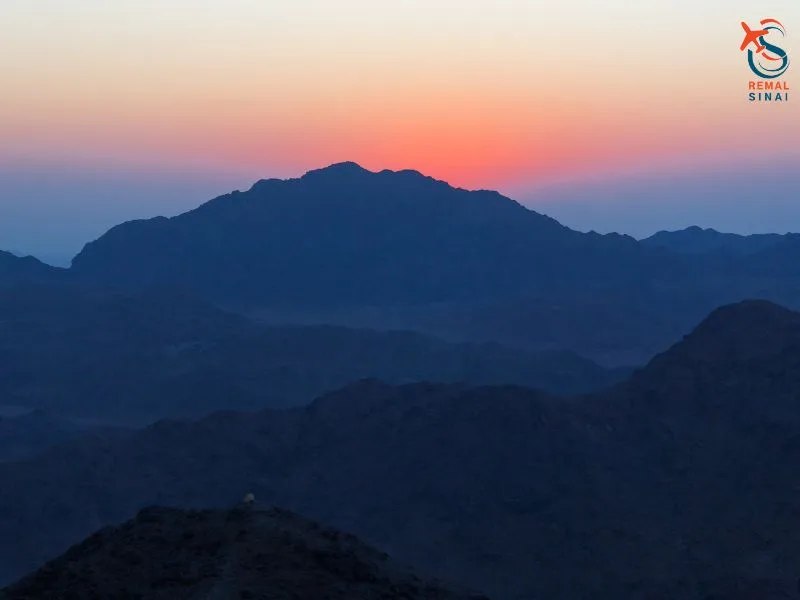
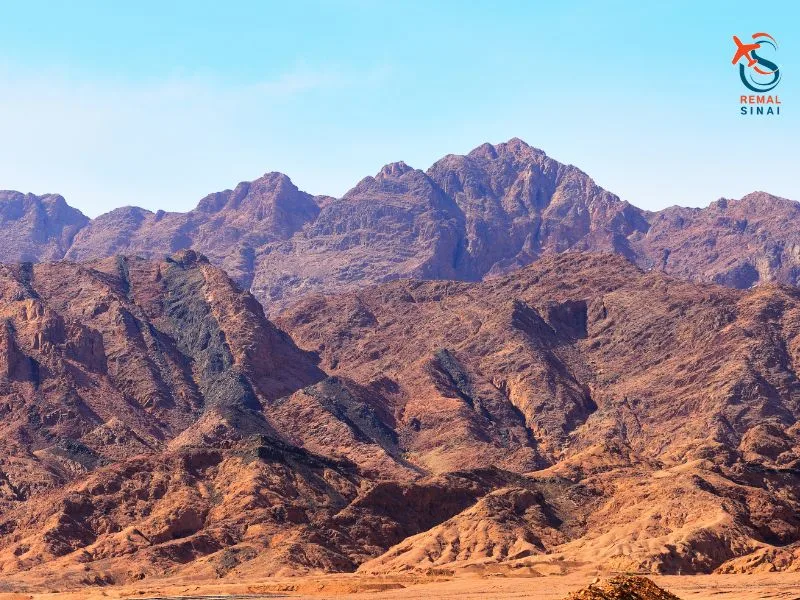
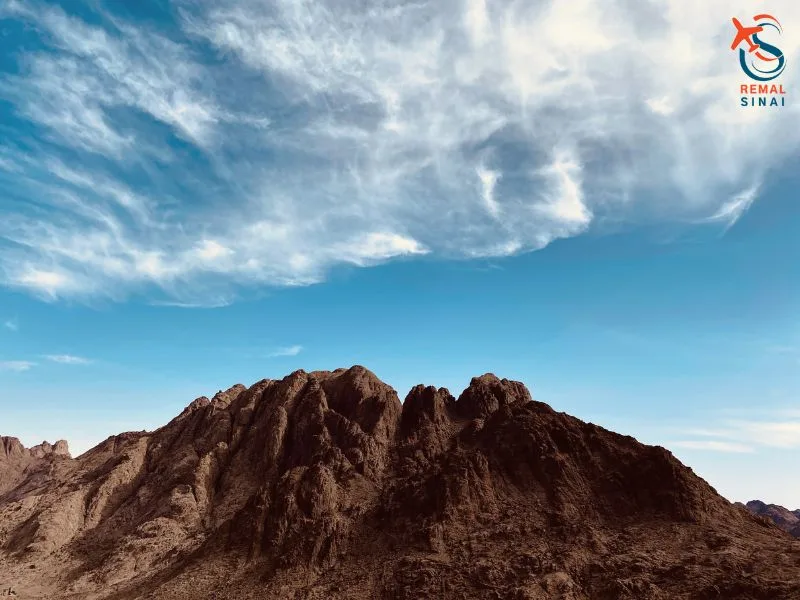
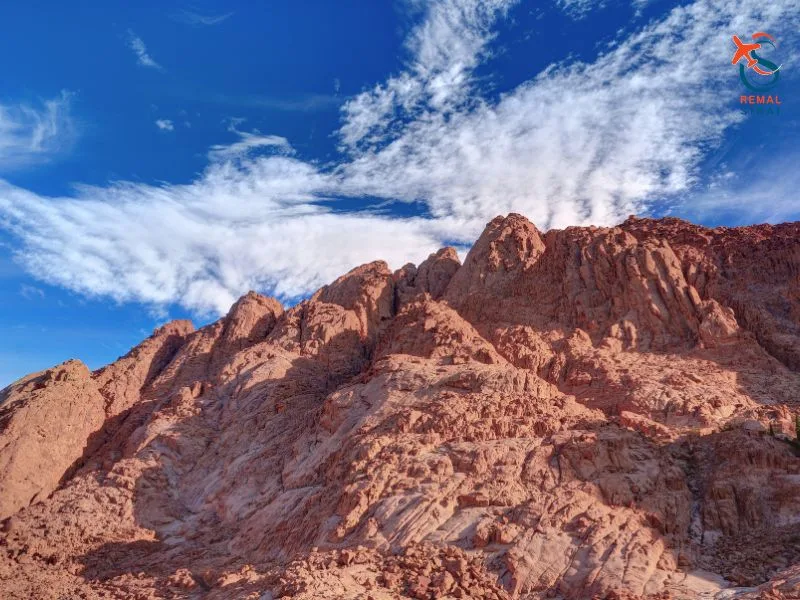
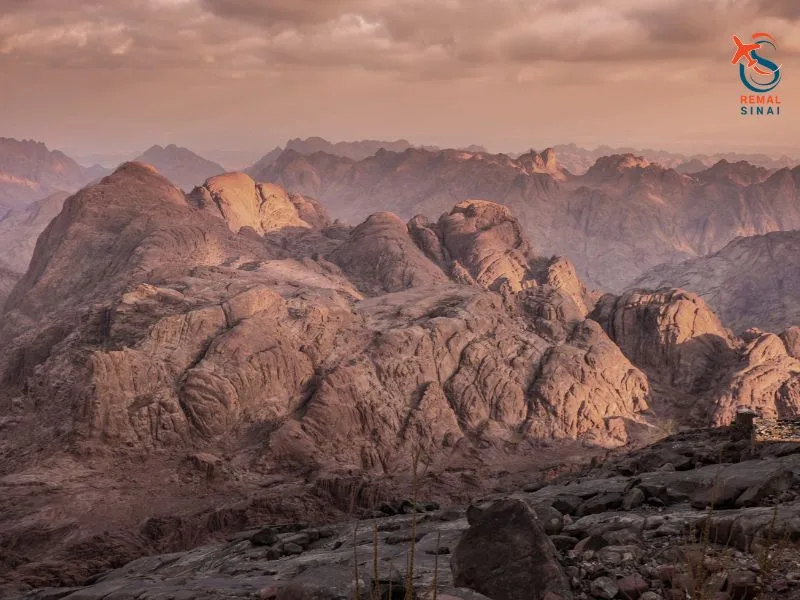
A Mount Sinai night hike from Sharm El Sheikh is one of the few experiences in Egypt that feels both physical and deeply atmospheric: desert silence, a ribbon of headlamps climbing through the darkness, and sunrise spilling over the Sinai mountains. Mount Sinai is also known locally as Jebel Musa (Mount Moses) and rises to about 2,285 m near the town of Saint Catherine.
This guide is written for travelers who want the honest details: how hard the climb really is, what to wear at night, which route to choose, and how to make the whole trip smooth—especially if you’re traveling with family or you’re a beginner.
Mount Sinai / Jebel Musa is revered by multiple faiths and sits close to Saint Catherine’s Monastery, one of the world’s oldest continuously inhabited Christian monasteries and part of a UNESCO-listed sacred area.
Most visitors hike at night for one reason: to reach the summit for sunrise, when the view is at its most dramatic and the temperature is more comfortable than midday.
Let’s be direct: this is not a technical climb, but it is a real uphill hike, and doing it at night changes the feel. Your experience depends on three things:
Your baseline fitness (how you handle steady uphill walking)
Your pacing strategy (slow and consistent beats fast and exhausted)
Your route choice (camel path vs steps)
Beginner (low hiking experience):
You can still do it if you pace slowly, take breaks, and dress properly for the cold. The most common beginner mistake is overestimating how warm you’ll be. You’ll sweat on the way up and then freeze at the top.
Moderate fitness:
You’ll likely find it challenging-but-doable, especially if you manage your layers and hydration. You’ll enjoy it more if you treat it like a marathon pace, not a sprint.
Strong fitness / regular hikers:
You’ll handle the ascent well. Your biggest risk is boredom from waiting at the summit—so bring warmth and patience.
There are two main ways up:
Often described as the “easier” route, it’s a longer winding trail. Many sources note typical ascent times around 2.5–3 hours, depending on pace and conditions.
This is the best choice if you:
want the most beginner-friendly option
prefer a steady incline
are hiking with family members who need a calmer rhythm
The alternate route is famous for its ~3,750 stone steps, traditionally associated with monastic penitence.
This is the best choice if you:
enjoy a hard workout
prefer a direct climb
are confident on uneven stone steps (in the dark)
Common strategy: Many people ascend via the Camel Path and descend via the Steps (or vice versa), depending on group ability and timing.
A Mount Sinai night trek is not scary, but it is different from a daytime walk:
It’s colder than you think. Even if Sharm feels warm, Saint Catherine is higher and cooler.
You’ll walk in a line of lights. It’s strangely peaceful.
Breaks matter. Most groups pause at rest points.
The summit is the coldest part. Wind + sweat = instant chill.
Here’s the simple rule: dress for two climates—the warm climb and the cold summit.
Lightweight moisture-wicking top (avoid heavy cotton if possible)
Comfortable hiking pants or leggings (not shorts)
Fleece or warm sweatshirt
A windproof jacket or insulated shell
Beanie / warm hat
Gloves
Warm socks
Scarf or neck gaiter
Why this matters: you may sweat while climbing, then sit still waiting for sunrise. Your body cools fast at altitude.
Closed-toe shoes with grip (trail shoes or trainers with good sole)
If you have them, light hiking shoes are ideal
Avoid: slippery soles, brand-new shoes, or anything that hurts after 20 minutes.
This is your “no drama” packing list:
Headlamp (best) or a reliable flashlight (phone light is not enough)
Water (small but sufficient)
Light snacks (energy bar, nuts, dates)
Power bank (night photos drain batteries)
Wet wipes / tissues
Small backpack (hands-free)
ID (carry what’s appropriate for travel in Egypt and tour requirements)
Optional but excellent:
Hand warmers (if you get cold easily)
A small sit mat (sitting on stone at the summit is cold)
While exact timing varies by season and program, a well-run itinerary usually looks like this:
Late-night pickup in Sharm El Sheikh
Drive to the Saint Catherine area
Short briefing + start the hike
Steady ascent with rest stops
Summit arrival before sunrise
Sunrise viewing + time for photos
Descent back down
Optional visit to Saint Catherine’s Monastery area (program-dependent)
Return to Sharm El Sheikh
The quality difference between “amazing” and “exhausting” often comes down to logistics: pickup accuracy, vehicle comfort, and pacing.
For travelers who want the trip to feel calm and organized from door to door, Remal Sinai can support:
comfortable, reliable transfers via Transportation
elevated handling and smoother coordination via VIP Services
planning and booking details via Contact Us
(Links are placed here on purpose—so your closing paragraphs stay clean for publishing.)
If you feel great in the first 20 minutes, that’s a trap. Go slower than you think you need. A steady pace beats fast bursts every time.
Start slightly cool. If you start hot, you’ll sweat early, and sweat becomes cold later. Use layers you can remove and re-add.
Short, fast breathing makes you feel anxious and tired. Slow your exhale. Your legs will follow.
Stop, sip water, adjust your layers, then move again. Don’t sit too long—you stiffen up.
The descent is where many people struggle. Keep steps short, avoid rushing, and use your core for balance. If you have knee sensitivity, consider a light support brace.
Time depends on route choice and fitness. The Camel Path is commonly cited around 2.5–3 hours for ascent on foot (variable).
The Steps route is steeper and can feel faster for strong hikers, but it is more punishing, especially at night, because of uneven steps and the nonstop climb.
Plan mentally for: a long night, a cold summit wait, and a descent that demands attention.
With proper organization and reasonable personal caution, it is typically approached as a standard guided trek. The major risks are predictable:
cold exposure at the summit
dehydration (yes, even at night)
fatigue on the descent
poor footwear
If you dress correctly, hydrate, and follow the group’s guidance, the hike becomes challenging but controlled—more “endurance” than “danger.”
There isn’t one perfect month for everyone. Think in comfort terms:
Cooler seasons: more comfortable hiking temperature, but colder summit (you must layer well)
Warmer seasons: summit less freezing, but the climb can feel hotter even at night
The most important factor is not the calendar—it’s whether you’re prepared for temperature swings.
Snorkeling days are beautiful, but they’re relaxing by design. Mount Sinai is different: it gives you a sense of achievement. You remember the silence, the stars, the last steep section, and the first light over the mountains. It’s one of those “I did it” experiences that stays with you longer than you expect.
If you want comfort-only, stay by the sea. If you want a night that feels cinematic—and you don’t mind earning the sunrise—Mount Sinai from Sharm El Sheikh is absolutely worth doing once.
Dress for the cold, pace yourself like a professional, and treat the descent with respect. The sunrise will take care of the rest.


