


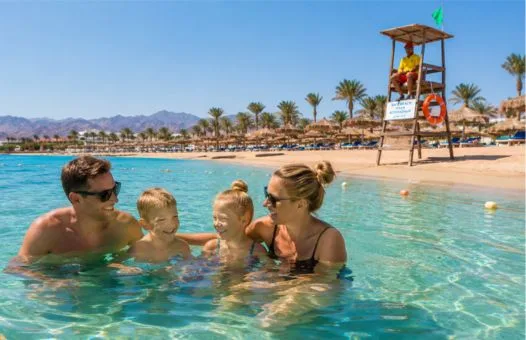
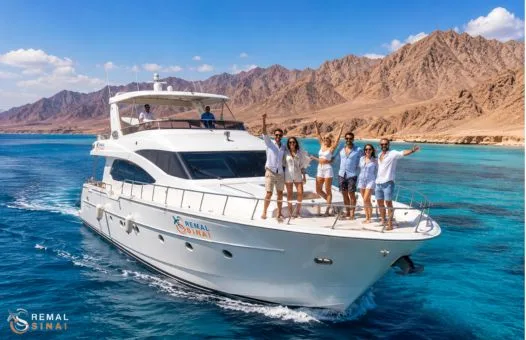
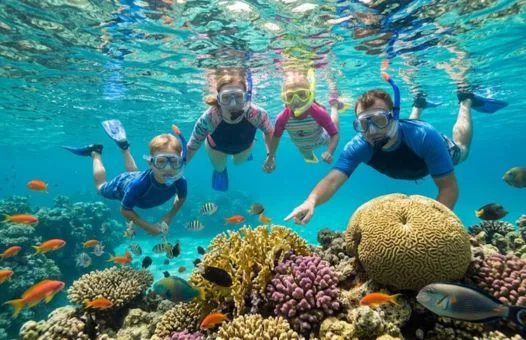

The Red Sea is one of Egypt’s most popular places for swimming, snorkeling, diving and boat trips. Its clear water, coral reefs and rich marine life attract travelers to Sharm El Sheikh, Hurghada, Marsa Alam and other coastal destinations throughout the year.
But before entering the water, many travelers ask an important question: is the Red Sea safe?
For most visitors, swimming and snorkeling in designated areas that are open to the public can be enjoyed safely when local instructions, weather conditions and marine-safety rules are followed. However, the Red Sea is a natural marine environment, so no responsible travel guide should describe it as completely risk-free.
Is the Red Sea Safe to Swim In?
Yes, the Red Sea is generally safe for swimming and snorkeling in designated areas that are officially open. Visitors should follow lifeguard instructions, beach flags, weather warnings and guidance from licensed tour operators. Sharks live naturally in the Red Sea, but attacks are rare, and tourists should never feed, touch or approach marine wildlife.
This updated 2026 guide focuses specifically on Red Sea swimming and snorkeling safety, including sharks, currents, marine life, beach flags, children and practical precautions before entering the water.
Quick Answer: Is the Red Sea Safe?
Generally, yes for normal recreational swimming and snorkeling in designated, open areas when safety instructions are followed.
The U.S. CDC advises travelers in Egypt to swim only in designated areas, obey lifeguards and warning flags and follow boating-safety rules. It also notes that shark attacks in the Red Sea are rare, although sporadic incidents have occurred.
Conditions can change by beach, season and day, so always follow local authorities, lifeguards, guides and your hotel or tour operator.
Is It Safe to Swim in the Red Sea?
Swimming in the Red Sea is generally suitable for tourists when the beach or snorkeling area is officially open and conditions are considered safe.
The most important rule is simple: do not treat every section of coastline as an automatic swimming area.
Use designated swimming zones and follow:
- Lifeguard instructions.
- Beach warning flags.
- Temporary swimming restrictions.
- Weather and sea-condition warnings.
- Instructions from licensed guides during excursions.
If a beach, reef or snorkeling location is temporarily closed, do not enter the water even if conditions appear calm from the shore.
Are There Sharks in the Red Sea?
Yes. Sharks are a natural part of the Red Sea ecosystem.
Seeing the word “shark” does not mean that normal beach swimming is automatically dangerous. The CDC’s Egypt travel-health guidance states that shark attacks in the Red Sea are rare, while also acknowledging that isolated incidents have occurred.
That distinction matters. The correct message is not “there are no sharks” and not “the Red Sea is dangerous.” The responsible message is that shark encounters require respect for wildlife and compliance with local safety procedures.
If a Shark Is Reported or Seen
Follow instructions from local authorities, guides and lifeguards immediately. Egypt’s Ministry of Environment advises against entering the water shortly after a shark has been sighted and warns visitors not to feed, touch or chase sharks.
If you encounter a shark while in the water, remain calm and follow the guide’s or authority’s instructions for leaving the area.
What Should You Never Do Around Marine Wildlife?
Wild marine animals should be observed, not interacted with.
- Do not feed fish, sharks or other wildlife.
- Do not touch or chase marine animals.
- Do not stand on or damage coral reefs.
- Do not collect coral or marine organisms.
- Do not enter restricted marine areas.
- Do not ignore instructions from guides or protected-area staff.
These rules protect both visitors and the Red Sea ecosystem.
Is Snorkeling in the Red Sea Safe for Beginners?
Snorkeling can be suitable for beginners, but the safest location and trip format depend on swimming ability, sea conditions and the specific reef.
Beginners should choose organized snorkeling locations and remain close to their guide.
Before entering the water:
- Make sure your mask and snorkel fit properly.
- Tell your guide if you are not a confident swimmer.
- Use a flotation aid or life jacket when recommended.
- Stay within the group and designated snorkeling zone.
- Do not snorkel alone.
- Do not push yourself beyond your swimming ability.
The CDC also recommends observing lifeguards and warning flags and wearing a life jacket when appropriate during boating activities.
Planning a Red Sea Snorkeling Trip?
Compare current snorkeling, Ras Mohamed and Red Sea boat-trip options from Sharm El Sheikh.
EXPLORE RED SEA TRIPS ASK ON WHATSAPPAre Currents a Risk in the Red Sea?
Sea conditions are not identical everywhere. Some protected bays may be calmer, while open-water reefs and channels can experience stronger currents.
Conditions can also change during the day because of wind and weather.
This is particularly important on snorkeling and boat trips. A location that is suitable for experienced swimmers may not be the right choice for a beginner on the same day.
Do not decide whether conditions are safe based only on how the surface looks. Follow the captain, snorkeling guide and local safety instructions.
What Do Beach Flags Mean?
Beach flags and local notices are an important part of sea safety. Exact systems can differ by beach or resort, so use the instructions displayed at your location rather than assuming every destination uses identical colors or rules.
If lifeguards or hotel staff tell visitors not to swim, wait until the area is officially reopened.
Jellyfish and Other Marine Life
The Red Sea contains a wide variety of marine life. Most animals are best enjoyed from a respectful distance.
Do not touch unfamiliar fish, corals, shells or other marine organisms. Some species can sting or cause injury when handled or stepped on.
If you are stung or injured, leave the water and seek assistance from the lifeguard, guide or appropriate medical service rather than attempting to identify or treat an unfamiliar marine injury yourself.
Coral Reef Safety
Coral reefs are beautiful but fragile, and contact can harm both the reef and the swimmer.
When snorkeling:
- Keep enough distance from coral to avoid accidental contact.
- Control your fins around shallow reefs.
- Never stand on coral.
- Do not break or collect coral.
- Follow protected-area rules.
Good snorkeling technique protects the reef and reduces the risk of cuts and other injuries.
Is the Red Sea Safe for Children?
Families can enjoy the Red Sea, but parents should choose the activity according to the child’s age, confidence in the water and current sea conditions.
Children should be supervised continuously around water. Use appropriate flotation equipment when needed and choose designated swimming or snorkeling areas.
For a boat excursion, tell the operator the children’s ages before booking so you can confirm whether the trip and snorkeling stops are appropriate.
Sun and Heat Safety Matter Too
Not every Red Sea risk comes from the water. Heat, dehydration and sun exposure are important considerations, especially during summer and full-day boat trips.
The CDC advises travelers in Egypt to drink regularly, protect themselves from ultraviolet radiation and adjust activities when weather conditions become unsafe.
Bring drinking water, sun protection, a hat and suitable clothing. A UV-protective rash guard can also be useful during long snorkeling sessions.
When Should You Avoid Entering the Water?
Do not enter the sea when:
- The swimming area is officially closed.
- A lifeguard or local authority advises against swimming.
- Weather or sea conditions are unsafe.
- There are strong currents beyond your ability.
- A shark has recently been reported and authorities have restricted access.
- You have been specifically advised not to enter because of a local marine warning.
- You are impaired by alcohol.
Egypt’s environmental authorities also advise caution around shark sightings and specifically warn against entering the water with a recent wound in that context.
Red Sea Safety in Sharm El Sheikh
Sharm El Sheikh offers many different types of sea access, from hotel beaches and sheltered bays to boat excursions, Ras Mohamed and Tiran-area reefs.
Because conditions vary between locations, choose the activity based on the actual sea conditions and your swimming ability rather than assuming every reef has the same difficulty.
READ THE SHARM SNORKELING GUIDE
Ras Mohamed and Tiran Island Safety
Ras Mohamed and the reefs around the Strait of Tiran are famous Red Sea snorkeling areas, but each trip can involve different reef stops, currents and sea conditions.
On organized excursions, the captain and snorkeling team determine suitable stops based on conditions. Travelers should follow the briefing and remain inside the instructed area.
VIEW RAS MOHAMED VIEW TIRAN ISLAND
Marine Safety vs General Travel Safety
This guide answers questions about swimming, snorkeling and marine safety in the Red Sea. It should not be used as a general security assessment for every part of Egypt.
Travel advisories can differ significantly by region and can change over time. Before traveling, check the current advice issued by your own government for the exact areas included in your itinerary and make sure your travel insurance covers your planned activities.
10 Practical Red Sea Safety Rules
- Swim only in designated, open areas.
- Follow lifeguards, guides and warning flags.
- Do not snorkel alone.
- Use suitable flotation equipment when needed.
- Never feed, touch or chase marine wildlife.
- Never stand on coral reefs.
- Respect closures caused by weather or wildlife activity.
- Stay hydrated and protect yourself from the sun.
- Choose snorkeling locations appropriate for your ability.
- Ask for the safety briefing before entering the water on an excursion.
Explore the Red Sea with Remal Sinai
Choose from Red Sea snorkeling, Ras Mohamed, Tiran Island, boat trips and private sea experiences from Sharm El Sheikh.
VIEW RED SEA TOURS PLAN ON WHATSAPPFrequently Asked Questions
Is the Red Sea safe to swim in?
For most visitors, swimming in designated areas that are officially open can be enjoyed safely when local conditions, warning flags and lifeguard instructions are followed.
Are there sharks in the Red Sea?
Yes. Sharks are a natural part of the Red Sea ecosystem. The CDC describes shark attacks in the Red Sea as rare, although sporadic incidents have occurred.
Is snorkeling safe in Sharm El Sheikh?
Snorkeling can be suitable for beginners and experienced swimmers, but conditions differ by reef. Use organized areas, follow the guide and do not snorkel alone.
What should I do if a shark is seen nearby?
Follow lifeguard, guide and local-authority instructions immediately. Do not approach, feed, touch or chase the animal, and do not enter an area that has been temporarily closed.
Is the Red Sea safe for children?
Children can enjoy designated swimming areas and suitable excursions with continuous adult supervision and appropriate flotation equipment when needed.
Can I touch coral or marine animals?
No. Avoid touching coral and marine wildlife. This helps prevent injury and protects the Red Sea ecosystem.
Is Red Sea safety the same as general Egypt travel safety?
No. Marine safety and general travel security are different issues. Check current government travel advice for the specific Egyptian regions included in your itinerary.
Official Safety References
For current health and water-safety guidance, travelers can consult the U.S. Centers for Disease Control and Prevention (CDC). For local marine-environment guidance, follow instructions from Egypt’s Ministry of Environment and local protected-area authorities. General security advice should be checked through your own government before travel.


